Sunday, April 5, 2026
spot_img

Home Blog Page 3
Sofar
Sineng
UPEX 2026

Ameren Begins Testing Advanced Dynamic Line Rating Tech To Boost Grid Reliability

0
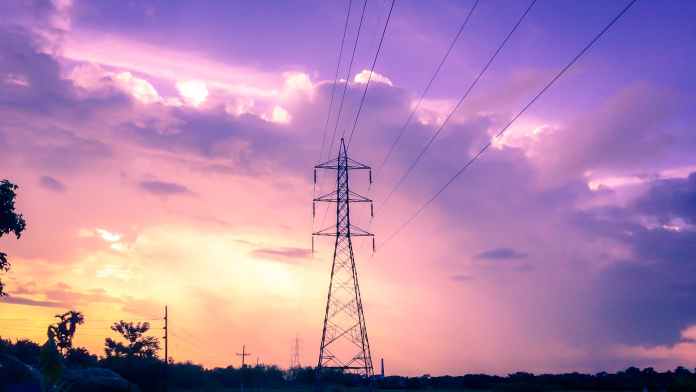
Representational image. Credit: Canva

Ameren is taking another step toward improving the reliability of its energy service by testing advanced dynamic line rating (DLR) technology across parts of its existing transmission network. This technology gives grid operators real-time visibility into highly localized weather conditions and the exact operating status of transmission lines. With this level of insight, operators can safely move electricity to where it is most needed, especially during periods of high demand or shifting grid conditions. By tapping into the additional capacity that already exists on some of the busiest transmission lines, DLR can help strengthen system reliability, support safer day-to-day operations, and reduce overall costs. These improvements translate directly into better service for customers across the region.

According to Shawn Schukar, strategic use of dynamic line ratings represents one of the most forward-leaning grid-enhancing technologies being deployed in the United States. With energy demand rising quickly, he emphasized that DLR can serve as a valuable complement to ongoing efforts to build stronger transmission infrastructure. It can also help utilities pinpoint where new transmission investments are needed most and guide smarter long-term planning. As part of this pilot effort, Ameren is working with Heimdall Power to install 30 of the company’s sensor units—known as Neurons™—on selected transmission lines. These devices attach directly to the lines and continuously monitor real-time conditions. Ameren chose installation locations that experience some of the highest congestion on its system.

Congestion occurs when the amount of electricity that customers need to move through a line exceeds the line’s standard capacity rating. Robert Clausius noted that the real-time visibility provided by these sensors may be particularly beneficial on days with cold or windy weather. Such conditions naturally cool down transmission lines, allowing them to carry more energy safely. With accurate, moment-to-moment data, Ameren can more effectively and reliably redirect electricity across the grid, ensuring it reaches where it is needed most.

A transmission line’s capacity is influenced by several environmental factors, including temperature, sunlight, ice, and wind. Without live data, utilities must depend on conservative, predetermined assumptions to set safe operating limits. Heimdall Power’s technology has already shown in practical applications that it can help utilities maximize the true capacity of their lines while maintaining safe and dependable operation. Clausius added that this initiative supports Ameren’s broader goal of building a smarter, more efficient grid.

Heimdall Power’s systems have been successfully deployed in multiple countries, giving Ameren confidence that the technology could unlock meaningful benefits—improving safety, strengthening reliability, and helping customers save money by optimizing existing assets instead of relying solely on new infrastructure. The first 15 Neuron sensors were installed in December 2025, and the remaining 15 are expected to be deployed later this year. As the pilot progresses and more data is collected, Ameren will evaluate future opportunities for wider use of DLR technology across its system.

Power Sector Drives Rating Upgrades in FY2026 Amid Strong Credit Improvement: ICRA

0

The power sector emerged as a key contributor to rating upgrades in FY2026, supported by improved project execution, stable operational performance, and strengthening parent profiles, according to ICRA.

The sector recorded a notable improvement in its credit ratio, which rose to 5.2 in FY2026, up from 3.4 in FY2025 and 2.9 in FY2024. This trend reflects a sustained increase in rating upgrades relative to downgrades, underpinned by easing project risks, stabilised operations of commissioned assets, and consistent cash flow generation.

ICRA noted that rating upgrades were largely driven by timely project completions, a proven track record of stable operational performance, and enhanced credit strength of parent entities. The sector also benefited from continued policy support, infrastructure expansion, and capacity additions, particularly in renewable energy.

Financial strengthening through deleveraging, equity infusion, and scheduled debt amortisation further reinforced credit quality across the sector.

The power sector was among the leading contributors to overall rating upgrades during the year, alongside real estate, hotels, auto components, and roads, all of which collectively supported the broader upgrade momentum.

At an aggregate level, credit quality across sectors remained robust. The overall credit ratio improved to 3.1 times in FY2026, compared to 2.0 times in FY2025 and 2.1 times in FY2024. During the year, 388 upgrades were recorded against 124 downgrades, highlighting a favourable credit environment.

Default rates remained low at 0.4%, indicating resilient corporate balance sheets and stable operating conditions across industries.

The power sector, in particular, has demonstrated consistent improvement in credit metrics over recent years, reflecting strengthening fundamentals and a reduction in risk profiles.

Commenting on the macroeconomic outlook, K. Ravichandran stated that escalating geopolitical tensions in West Asia since late February 2026 have reintroduced risks to India’s energy and food security. He cautioned that any prolonged disruption, especially in the Strait of Hormuz, could impact the supply of oil, gas, and fertilisers, potentially triggering global supply shocks.

He further noted that while increased subsidies may help cushion rising commodity prices, they could exert pressure on government finances. Corporates may also face demand moderation and margin pressures amid inflationary trends.

Looking ahead, the power sector is expected to remain on a stable growth trajectory, supported by sustained demand, ongoing capacity additions, and policy backing. However, exposure to global energy price volatility and geopolitical developments will remain key monitorables.

Vietnam Targets 50% Rooftop Solar Adoption By 2030 To Boost Clean Energy Transition

0
Representational image. Credit: Canva

The Government of Vietnam has announced a major step to promote clean energy by encouraging the use of rooftop solar systems across the country. The plan aims for 50 percent of office buildings and residential homes to use self-produced and self-consumed solar power by 2030. This move is part of a larger effort to strengthen energy security and shift toward greener and more sustainable energy sources.

According to the Government Office of Vietnam, rooftop solar has been identified as a key solution because it makes use of available roof space and reduces pressure on the national electricity grid. Instead of depending fully on centralized power generation, homes and offices can generate and use their own electricity, helping to balance demand and supply.

To support this plan, Deputy Prime Minister Tran Hong Ha has asked the Ministry of Industry and Trade of Vietnam to quickly prepare a detailed policy framework. The focus is on systems that generate electricity mainly for on-site use rather than selling it to the grid. This approach is expected to reduce transmission losses and improve efficiency.

One of the important parts of the policy is making the installation process easier. The government wants to reduce paperwork and simplify approvals so that more people can adopt solar energy without delays. By removing complex procedures, authorities hope to encourage households and businesses to invest in rooftop solar systems.

The government is also considering financial support measures. These may include tax benefits or easier access to loans to reduce the initial cost of installing solar panels. Such incentives are expected to make solar energy more affordable and attractive, especially for middle-income households and small businesses.

At the same time, officials are paying attention to grid safety. Even though the main goal is self-consumption, there may be times when solar systems produce extra electricity. The government is exploring ways to allow a limited amount of surplus power to be sent to the grid without affecting its stability or safety. Proper technical standards and monitoring systems will be developed to manage this process.

This initiative is also linked to Vietnam’s commitment to reducing carbon emissions and addressing climate change. By increasing the use of solar power, the country can lower its dependence on coal and other fossil fuels. It also helps create awareness among citizens about energy saving and environmental protection.

In the coming years, the Ministry of Industry and Trade will work closely with local authorities and power companies to build the required infrastructure. The government believes that with the right policies and public support, rooftop solar can play a major role in Vietnam’s clean energy transition.

Iberdrola Awards £3 Billion Contracts To Build Major Scotland–England Subsea Power Link

0
Representational image. Credit: Canva

The Iberdrola Group, through its UK subsidiary SP Energy Networks, has moved forward with a major step in expanding the UK’s clean energy infrastructure by awarding contracts worth more than £3 billion (around €3.5 billion). These contracts will support the development of the Eastern Green Link 4 (EGL4), a new subsea electricity interconnector linking Scotland and England. The project is designed to reinforce the UK’s energy network, improve security of supply, and contribute to long-term economic growth.

Under the new agreement, Siemens Energy will be responsible for building two high-voltage direct current (HVDC) converter stations. These advanced facilities will convert alternating current into direct current so that electricity can travel more efficiently over long distances at a transmission level of 525,000 volts. The power will move along a route of about 640 kilometres—most of it laid under the sea—before being converted back to alternating current for smooth integration into the onshore grid.

Earlier in the year, Iberdrola also signed another major contract worth £2 billion (around €2.3 billion) with Prysmian. This agreement covers the supply of more than 640 kilometres of cable required for the project, including 530 kilometres of subsea cable and another 116 kilometres installed underground. Together, these two contracts form the core technical foundation for the EGL4 link.

Eastern Green Link 4 will have a capacity of 2,000 megawatts and will connect the regions of Fife in Scotland and Norfolk in England. Once operational, it will be able to carry enough renewable electricity to power over 1.5 million homes. Construction is scheduled to begin in 2028, and if all goes according to plan, the system will be commissioned in 2033. The converter stations enabling this transfer will be located at each end of the route.

This infrastructure will work alongside Eastern Green Link 1, another 2,000-megawatt network link currently under development. EGL1, which started construction in 2025, will connect Torness with Hawthorne Pit and is expected to be completed by 2029. Together, these projects will significantly enhance the UK’s ability to move renewable energy from areas of high generation to areas of high demand.

Looking ahead, the Iberdrola Group plans to invest €14 billion by 2031 to expand and modernise the UK’s transmission network. This long-term commitment aims to strengthen national energy security, reduce reliance on imported fossil fuels, and support the integration of new renewable energy sources. The investment will also contribute to job creation and broader economic development across several UK regions. The United Kingdom continues to be a key market for Iberdrola. The company intends to invest €20 billion in the country by 2028 to reinforce energy stability, accelerate the shift toward sustainability, and help build a more competitive and self-sufficient electricity system.

Ceigall Green Energy Signs 15 PPAs for 130 MW Solar Project in Madhya Pradesh

0
Representational image. Credit: Canva

Ceigall India Limited, through its wholly owned subsidiary Ceigall Green Energy MP Limited, has completed the execution of 15 power purchase agreements (PPAs) with Madhya Pradesh Power Management Company Limited for a total solar capacity of 130 MW under the Surya Mitra Krishi Feeder Yojana.

Under the agreements, the company will develop, operate, and maintain solar photovoltaic power projects and supply electricity for a period of 25 years at a tariff of ₹2.85 per unit. The initiative is aimed at providing reliable daytime power to the agricultural sector through dedicated solar feeders, while supporting India’s clean energy transition.

The project involves an estimated EPC investment of ₹572 crore (including GST) and is expected to be executed within 12 months, followed by long-term operations.

Commenting on the development, Ramneek Sehgal, Chairman and Managing Director of Ceigall India Limited, stated that the completion of all 15 PPAs marks a key milestone in strengthening the company’s presence in the renewable energy sector and reflects its commitment to delivering sustainable infrastructure.

The Surya Mitra Krishi Feeder Yojana is a major government initiative designed to enhance power reliability for the agricultural sector while promoting the adoption of solar energy.

With this development, Ceigall India continues to expand its portfolio beyond traditional infrastructure projects, reinforcing its position as an integrated developer with growing capabilities in renewable energy.

Seriti Green Invests R25 Billion To Transform Mpumalanga Into Renewable Energy Hub In South Africa

0

Seriti Green has announced a major investment of R25 billion to support the development of renewable energy projects in Mpumalanga, marking an important shift for a region long known for its coal-based economy. The announcement was made during the 6th South Africa Investment Conference held in Sandton, highlighting the company’s commitment to cleaner energy and long-term sustainability.

The investment will be carried out in phases. So far, around R15 billion has already been spent on construction and early operations. In addition, Seriti Green has pledged another R10 billion to further expand its renewable energy portfolio in the province. This continued funding reflects growing confidence in the role of green energy in South Africa’s future power mix.

A key part of this plan is the Ummbila Emoyeni project, which is expected to become the largest hybrid renewable energy cluster in the country. The project will combine five wind farms, a solar power plant, and a battery energy storage system to deliver more than 900 MW of electricity once fully operational. This integrated approach will help ensure a more stable and reliable power supply.

Work on the project is already underway. The first phase, with a capacity of 155 MW, is expected to begin supplying electricity to the grid by early 2026. Alongside energy generation, the project is also contributing to local development. It has already created around 1,200 jobs, and this number is expected to increase to 2,000 as construction progresses. In addition, a new electricity substation is being built, which will be the largest developed in Mpumalanga in over 20 years, helping to strengthen the region’s grid infrastructure.

The initiative supports South Africa’s Just Energy Transition plan, which aims to reduce dependence on coal while protecting jobs and promoting economic growth. Around one-third of the electricity produced will be used to power Seriti Resources’ mining operations, reducing emissions from its activities. The remaining power will be supplied to the national grid, helping meet the country’s energy demand.

By investing in wind, solar, and battery storage, Seriti Green is playing a key role in reshaping the energy landscape. The project reflects a broader shift toward cleaner technologies and a more balanced energy mix. It also shows how traditional energy regions like Mpumalanga can adapt to new opportunities while supporting both industry and environmental goals.

Cape Town Launches 500 MW Power Tender To Cut Costs And Boost Energy Independence

0

The City of Cape Town has taken a major step toward energy independence by launching a tender to procure 500 MW of electricity from independent energy traders and aggregators. With this move, Cape Town becomes the first municipality in South Africa to purchase power at such a large scale from the open market, reducing its dependence on the national utility Eskom.

The initiative is aimed at securing electricity at prices lower than Eskom’s tariffs. At present, the City spends nearly 70% of its tariff income on bulk electricity purchases from Eskom. By sourcing power from multiple suppliers and negotiating competitive rates, the City hopes to reduce costs for consumers while improving supply reliability.

As per the tender details, the City is inviting bids for Power Purchase Agreements (PPAs) ranging from one to ten years. The procurement is open to a mix of energy technologies, including solar and wind, along with gas-based options such as liquefied petroleum gas (LPG) and hydrogen. Other renewable sources are also eligible, provided they meet the required standards of cost efficiency and reliability.

Alderman Xanthea Limberg stated that the programme is a key part of the City’s broader Energy Strategy and Mayoral Priority Programme. The goal is to create a competitive market where licensed electricity traders can supply affordable and cleaner energy. All participants must be licensed by the National Energy Regulator of South Africa or be in the final stages of obtaining approval.

The City has set strict conditions for bidders. Each project must have a minimum capacity of 5 MW, and power delivery must begin within 36 months from the signing of the agreement. In addition, the electricity supplied should not come from existing plants that are already under contract or involved in other tenders. This ensures that the procurement adds new capacity to the system rather than reallocating existing supply.

An important requirement is that all renewable energy benefits, including green attributes, will be transferred to the City. This supports Cape Town’s long-term goal of reducing carbon emissions and moving toward a more sustainable energy system.

By directly engaging with the wholesale electricity market, Cape Town is positioning itself as a leader in municipal energy reform. The 500 MW tender reflects a proactive response to the ongoing energy challenges in the country, focusing on cleaner, cheaper, and more reliable power solutions. Interested bidders have been given until mid-May 2026 to submit their proposals.

JinkoSolar and POWER SUN Co-Host Seminar in Tashkent, Spotlighting Next-Generation Tiger Neo 3.0 Technology

0

JinkoSolar, one of the world’s largest and most innovative solar module manufacturers, jointly hosted a specialized seminar with POWER SUN today at the Rakat Comfort Hotel in Tashkent. The event brought together leading international manufacturers and industry experts to explore cutting-edge energy solutions, with a strong emphasis on JinkoSolar’s latest Tiger Neo 3.0 module technology and its transformative potential for the Uzbek market.

Tiger Neo 3.0 Takes Center Stage

A key highlight of the seminar was the dedicated session on JinkoSolar’s Tiger Neo 3.0 modules, which generated significant interest among attendees. Presenters provided a comprehensive analysis of why Tiger Neo 3.0 is particularly well-suited for Uzbekistan’s climate and tariff environment, emphasizing its superior efficiency, durability, and long-term performance. A separate session explored laboratory test results, showcasing the modules’ outstanding technical specifications and real-world reliability.

The Tiger Neo 3.0 series representsJinkoSolar’s latest advancement in TOPCon technology, delivering higher power output, improved low-light performance, and enhanced degradation rates—making it an ideal solution for utility-scale and commercial projects in the region.

As a joint effort between JinkoSolar and POWER SUN, the seminar provided attendees with direct access to original equipment manufacturers, ensuring firsthand technical insights without intermediaries.

Zambia Launches CFIP Programme To Boost Solar Investment And Cut Carbon Emissions

0
Representational image. Credit: Canva

The Government of Zambia has launched a new programme called the Carbon Feed-In Premium (CFIP) to support the development of large-scale solar power projects in the country. This initiative is aimed at increasing electricity generation while also reducing carbon emissions, marking an important step in Zambia’s move toward a cleaner and more sustainable energy system.

The programme is being implemented through a joint effort between the Ministry of Green Economy and Environment and the Ministry of Energy. It works as a results-based financing system, where financial support is linked directly to the performance of projects. This means developers will receive incentives based on the actual reduction of carbon emissions achieved by their solar projects. By doing this, the government wants to make such projects more financially attractive and reduce risks for investors.

The CFIP programme is open to both local and international independent power producers, as well as private investors interested in Zambia’s energy sector. The national utility company, ZESCO, and its related entities are also eligible to participate. However, all proposed projects must be located within Zambia and must clearly show environmental and developmental benefits. They are also required to align with the country’s climate goals and provide measurable evidence of emission reductions.

This initiative comes at a time when Zambia is looking to diversify its energy mix and reduce its dependence on traditional power sources. By encouraging private investment, the government aims to speed up the development of renewable energy projects without relying only on public funds. This approach is expected to improve energy security and support the country’s long-term sustainability goals.

Developers and investors interested in the programme have been asked to submit their proposals within a limited timeframe. Application documents, including detailed project and financial information, must be downloaded from official ministry platforms and submitted to the programme administrator. The deadline for submission has been set for May 31, 2026.

With the launch of the CFIP programme, Zambia is taking a proactive step toward building a stronger and greener power sector. The initiative not only focuses on increasing electricity supply but also ensures that future growth is environmentally responsible. If the programme delivers the expected results, it could encourage similar efforts in other countries aiming to balance energy development with climate commitments.

TotalEnergies, Masdar Sign $2.2 Billion JV to Expand Renewable Portfolio Across Asia

0

TotalEnergies and Masdar have signed a binding agreement to establish a $2.2 billion 50/50 joint venture (JV) to consolidate and expand their onshore renewable energy operations across Asia.

The JV will serve as the exclusive platform for both companies to develop, build, own, and operate onshore solar, wind, and battery storage projects across nine countries: Azerbaijan, Indonesia, Japan, Kazakhstan, Malaysia, the Philippines, Singapore, South Korea, and Uzbekistan.

Upon completion, the JV will hold a combined portfolio of 3 GW of operational assets and an additional 6 GW in advanced development, with projects expected to be commissioned by 2030. Both partners will contribute assets of comparable value to the platform.

The initiative comes amid rapidly growing electricity demand across Asia, positioning the JV to deliver renewable energy solutions at scale. The partnership is expected to leverage the combined financial strength, technical expertise, and regional presence of both companies to accelerate clean energy deployment.

The JV will be headquartered at the Abu Dhabi Global Market (ADGM) and will initially be staffed by around 200 employees from both organisations. The management team is expected to be announced at a later stage.

Officials from both companies highlighted that the collaboration will strengthen their presence in high-growth Asian markets while enhancing value creation through a unified development approach.

The transaction remains subject to regulatory approvals and customary closing conditions.

West Bengal Invites Bids For 500 MW/2000 MWh BESS Projects To Strengthen Grid Reliability

0

The West Bengal Department of Power has taken a major step to strengthen the state’s energy system by inviting bids for the development of 500 MW / 2000 MWh of standalone Battery Energy Storage Systems (BESS). The project is being implemented on behalf of the West Bengal State Electricity Distribution Company Limited (WBSEDCL) under a Build-Own-Operate (BOO) model. The main aim of this initiative is to improve grid stability, support renewable energy integration, and meet peak electricity demand in a more flexible and reliable manner.

The total planned capacity will be spread across four key locations in the state. Durgapur will host the largest share with 200 MW / 800 MWh, while Kharagpur, Hooghly-Arambag, and Jeerat will each have 100 MW / 400 MWh projects. These locations have been selected strategically to ensure better grid management and efficient power distribution across different regions.

Under the project structure, developers will be responsible for setting up the battery storage systems as well as the required transmission infrastructure to connect to the grid. This includes building the necessary network up to the interconnection points at their own cost. However, WBSEDCL will support the developers by providing land for the projects on a Right-To-Use basis at a nominal annual rent, reducing the initial burden on project developers.

The bidding process includes clear financial requirements to ensure serious participation. Bidders must submit an Earnest Money Deposit (EMD) of INR 3 lakh per MWh of the capacity they propose. This can be submitted in the form of a bank guarantee, payment on order instrument, or an insurance surety bond. In addition, selected developers will need to provide a Performance Bank Guarantee (PBG) before signing the Battery Energy Storage Purchase Agreement. This guarantee acts as a security to ensure that the project is completed on time. If there are delays beyond the scheduled commissioning date, penalties may be imposed through partial or full encashment of the PBG.

The project follows a strict timeline. The Request for Selection (RfS) was issued on March 6, 2026, and bid submission also started on the same day. Site visits have been scheduled between March 9 and March 21, 2026, allowing bidders to assess the project locations. Developers will be required to achieve financial closure within nine months from the effective date of the agreement. The entire project must be commissioned within the timeline specified in the tender documents.

The selection of developers will follow a single-stage, two-envelope bidding process. This will be followed by an e-reverse auction to determine the most competitive bids. This approach is expected to bring transparency and cost efficiency to the project.

Overall, this initiative is a significant move by the state government to modernize its power infrastructure. By investing in large-scale battery storage, West Bengal aims to ensure a more stable, reliable, and sustainable electricity supply while supporting the growing share of renewable energy in its power mix.

Spark Renewables Secures NSW Approval for 800 MW Dinawan Solar Farm with 1,574 MWh Storage

0
Representational image. Credit: Canva

The NSW Independent Planning Commission has approved the Dinawan Solar Farm, an 800 MW renewable energy project paired with 1,574 MWh of battery storage, marking a significant milestone for the broader Dinawan Energy Hub in the South West Renewable Energy Zone.

Developed by Spark Renewables, the project has undergone several years of planning and assessment, supported by extensive engagement with local communities, government bodies, and key stakeholders.

The Dinawan Energy Hub is expected to play a critical role in enhancing grid stability and ensuring long-term energy security in New South Wales, while also delivering regional economic benefits, including job creation and investment opportunities.

The approval of the solar component represents a major step forward for the overall project, with the proposed Dinawan Wind Farm still awaiting determination. Once completed, the integrated hub is set to contribute significantly to the state’s renewable energy capacity.

Spark Renewables acknowledged the contributions of project partners and stakeholders, including EMM Consulting Pty Limited and Murrumbidgee Council, as well as the local community, in advancing the project toward approval.

KERC Extends Discounted Energy Rate Scheme Till FY28, Eases Open Access Rules For Consumers In Karnataka

0
Representational image. Credit: Canva

The Karnataka Electricity Regulatory Commission has extended the Discounted Energy Rate Scheme (DERS) for two more years, covering the financial periods 2026-27 and 2027-28. The decision was announced in an order issued on March 31, 2026, under the leadership of Chairman Sri P. Ravi Kumar and Member Sri H.K. Jagadeesh. With this move, the Commission has ensured that consumers across different categories in the state will continue to receive relief through discounted electricity rates.

The scheme was originally introduced in 2021 for High Tension (HT) consumers to promote higher electricity consumption by offering reduced tariffs. Over time, its scope was expanded to include Low Tension categories such as LT-3 and LT-5, allowing a broader group of users to benefit. While the continuation of the scheme beyond 2025 had not been confirmed earlier, a recent request from Bangalore Electricity Supply Company played an important role in the Commission’s latest decision. BESCOM highlighted the positive impact of the scheme and also proposed that consumers using Open Access should be allowed to participate. Other electricity supply companies in the state did not formally submit their views on the extension.

One of the key changes introduced in this order is related to Open Access consumers. Earlier rules, issued in 2025, required consumers to give up their Open Access or wheeling arrangements if they wanted to avail of the discounted rates under the scheme. They also had to submit a written undertaking confirming that they would not use external power sources. This restriction has now been removed, making the scheme more flexible and inclusive.

Under the revised conditions, consumers in categories such as HT-2a, HT-2b, HT-2ci, HT-2cii, LT-3a, and LT-5 are eligible to participate in the scheme, including those who continue to use Open Access. However, the Commission has introduced a condition for such consumers. Those opting into the scheme while using Open Access will not be allowed to claim the additional 20 percent contract demand benefit, which normally permits consumption beyond the sanctioned load without penalties.

The order also explains how base consumption will be calculated for participants during the extension period. For consumers joining the scheme in FY2026-27 or FY2027-28, the base consumption will be determined based on the average monthly usage during the financial years 2024-25 and 2025-26. In cases where two full years of data are not available, the calculation will be based on at least six months of consumption data. For new installations or consumers who have recently changed their contract demand, the guidelines mentioned in the 2025 Tariff Order will continue to apply.

Through this extension, the Commission aims to balance the interests of both consumers and electricity supply companies. It seeks to continue the benefits of discounted tariffs while also ensuring operational flexibility, especially for industrial and commercial users. At the same time, by keeping most of the earlier terms and conditions unchanged, the order provides stability and predictability in the state’s power tariff structure over the next two years.

HPERC Sets Solar Tariffs For 2026-27 Balancing Developer Costs And Consumer Interests In Himachal Pradesh

0

The Himachal Pradesh Electricity Regulatory Commission (HPERC) has issued a new order fixing the generic levellised tariffs for solar photovoltaic (PV) projects for the financial year 2026–27. The decision applies to solar projects with capacities of up to 5 MW and aims to balance the interests of project developers and electricity consumers in the state.

The order was passed under the leadership of Chairman Yashwant Singh Chogal and Member Shashi Kant Joshi after a detailed public consultation process. Various stakeholders, including the State Government, the Directorate of Energy (DoE), developers, and consumer representatives, participated and shared their views before the final decision was made.

During the consultation, developers highlighted the challenges of setting up solar projects in Himachal Pradesh’s hilly terrain. They pointed out that construction costs are higher due to difficult geography, expensive civil works, and higher transportation expenses for equipment. On the other hand, consumer groups argued that tariffs should remain low and closer to national average solar tariffs, which are around ₹2.52 per unit.

After considering all views, the Commission finalized tariffs based on project size and location. The tariffs are divided into three capacity categories and two types of areas—rural and urban or industrial. For projects up to 1 MW, the tariff has been set at ₹3.47 per unit in rural areas and ₹3.52 per unit in urban and industrial areas. For projects above 1 MW and up to 3 MW, the tariff is ₹3.40 per unit in rural areas and ₹3.46 per unit in urban and industrial areas. For projects above 3 MW and up to 5 MW, the tariff is ₹3.34 per unit in rural areas and ₹3.40 per unit in urban and industrial areas.

To arrive at these tariffs, the Commission fixed a base capital cost of ₹335.79 lakh per MW for larger projects. Smaller projects were given some cost relief to account for their higher per-unit costs. Projects up to 1 MW were given an additional 5 percent cost allowance, while projects up to 3 MW received a 2.5 percent increase. In addition, projects located in urban or industrial areas were given an extra ₹7.50 lakh per MW to encourage development closer to demand centers.

The Commission retained key technical assumptions while calculating tariffs. The Capacity Utilization Factor (CUF) has been kept at 21 percent, despite requests from developers to lower it due to weather conditions in the Himalayan region. This decision was taken to promote the use of efficient solar technologies. Operation and maintenance costs have been fixed at ₹10.96 lakh per MW, with an annual increase of 3.84 percent.

Financial assumptions include a debt-to-equity ratio of 70:30. The interest rate on loans has been set at 10.80 percent, while the return on equity is fixed at 14 percent. The useful life of solar projects has been considered as 25 years, and the same period has been taken for tariff calculation.

The order also includes a royalty provision. Projects with a capacity above 1 MW will be required to pay a royalty of 5 paise per unit to the State Government. However, these tariffs will not apply to rooftop solar systems under net metering or to projects larger than 5 MW, which will be awarded through competitive bidding.

This tariff order will be applicable to solar projects for which joint petitions for Power Purchase Agreements are filed between April 1, 2026, and March 31, 2027.

Solarium Wins ₹188.5 Cr, 50 MW Solar EPC Contract in Maharashtra

0
Representational image. Credit: Canva

Solarium Green Energy has strengthened its position in India’s solar engineering, procurement, and construction (EPC) segment by securing a 50 MW turnkey solar project in Maharashtra, signaling continued momentum in utility-scale deployments.

The project, awarded by Maharashtra State Power Generation Company Ltd, reflects a growing preference among state utilities for integrated EPC solutions that combine execution with operational accountability. Under the contract, Solarium will deliver end-to-end project development, including design, procurement, construction, and three years of operations and maintenance (O&M).

Valued at approximately ₹188.5 crore (excluding GST), the contract highlights the increasing scale and financial depth of mid-sized solar EPC players competing in India’s evolving renewable energy landscape.

From a strategic standpoint, the award reinforces Solarium’s transition from a rooftop-focused player to a more diversified solar solutions provider with capabilities across utility-scale projects. This shift aligns with broader industry trends, where EPC firms are expanding vertically to capture higher value across the project lifecycle.

The development also comes at a time when companies are strengthening backward integration to improve execution timelines and cost control. With its recently commissioned 1 GW solar module manufacturing facility in Gujarat, Solarium is positioning itself to reduce supply chain dependencies and enhance project margins—an increasingly critical factor in competitive EPC bidding.

More broadly, the project underscores Maharashtra’s continued role as a key solar market, with state-backed entities driving capacity additions through EPC tenders. It also reflects the ongoing shift toward turnkey contracting models, where developers seek single-point responsibility to mitigate execution risks.

Overall, the contract illustrates how India’s solar EPC landscape is evolving—from fragmented project execution to integrated, scalable delivery models—supported by domestic manufacturing, policy push, and rising utility-scale demand.

GERC Invites Bids For Resource Adequacy Consultancy To Strengthen Gujarat Power Planning

0
Representational image. Credit: Canva

The Gujarat Electricity Regulatory Commission (GERC) has invited proposals from consultancy firms to provide technical and regulatory support for developing Resource Adequacy (RA) frameworks in the state. Based in Gandhinagar, GERC is responsible for regulating Gujarat’s power sector, including generation, transmission, and distribution. This step follows the Electricity (Amendment) Rules, 2022, which require state regulators to align their systems with national guidelines issued by the Central Electricity Authority (CEA).

The consultancy work has been divided into three key assignments. The first assignment focuses on drafting new regulations for Resource Adequacy. The selected consultant will study similar regulations from other leading states, prepare necessary documents such as explanatory memorandums, and support the commission during the public consultation process. This work is important as it will lay the foundation for how Gujarat plans and ensures a reliable power supply in the future.

The second and third assignments will be carried out at the same time. The second assignment involves technical evaluation of Resource Adequacy plans prepared by distribution companies (Discoms), the State Transmission Utility (STU), and the State Load Despatch Centre (SLDC). The consultant will use advanced energy modeling tools to assess whether the state has enough power to meet demand. They will also identify any shortages or surpluses and suggest the most cost-effective ways to manage power procurement.

The third assignment focuses on capacity building within GERC. Under this task, the consultant will train GERC officials and provide continuous support so that they can independently use energy modeling software. This “handholding” approach is aimed at strengthening the internal capabilities of the commission over time.

To qualify for this project, consultancy firms must meet strict eligibility criteria. They should have at least 15 years of experience in the Indian power sector and must have worked with at least four power utilities or regulatory bodies in the past. Financially, firms must have an annual turnover of at least ₹5 crores and maintain a positive net worth for the last three years. To avoid any conflict of interest, companies that have helped Gujarat Discoms prepare their own Resource Adequacy plans are not allowed to participate. However, firms that have worked with the STU or SLDC can still apply.

The selection process will follow the Quality and Cost-Based Selection (QCBS) method. In this system, technical expertise will carry 70% weight, while the financial proposal will account for 30%. Only those bidders who score at least 80 out of 100 in the technical evaluation will have their financial bids considered. The project team must include experienced professionals, such as a Project Director with 20 years of experience and a Project Manager with at least 12 years, along with other experts.

The timeline for completing the first assignment is three months from the date of contract award. The remaining assignments will continue throughout the 4th GERC Multi-Year Tariff (MYT) control period. Payments to the consultant will be made in stages, based on milestones like submission of reports and final approvals.

Interested firms were required to submit their bids by April 1, 2026. GERC has stated that it reserves the right to reject any or all proposals and may also divide the work among multiple bidders if needed.

Indonesia Maintains Electricity Tariffs for Q2 2026 to Support Economic Stability

1

The Ministry of Energy and Mineral Resources has announced that electricity tariffs for the second quarter of 2026 (April–June) will remain unchanged, reinforcing the government’s commitment to maintaining public purchasing power and supporting national industrial competitiveness.

According to Tri Winarno, Acting Director General of Electricity, the decision follows a comprehensive evaluation of key macroeconomic indicators in line with prevailing regulations. He stated that the move is aimed at ensuring affordability for consumers while encouraging efficient electricity usage to support national energy security.

Tariff adjustments for non-subsidised customers are governed by Ministerial Regulation No. 7 of 2024, which mandates quarterly reviews based on parameters such as exchange rates, Indonesian Crude Price (ICP), inflation, and coal benchmark price (HBA). For Q2 2026, the evaluation considered data from November 2025 to January 2026, including an exchange rate of IDR 16,743.46 per US dollar, ICP of USD 62.78 per barrel, inflation at 0.22%, and HBA at USD 70 per ton.

Despite fluctuations in these indicators, the government opted to hold tariffs steady for both subsidised and non-subsidised consumers to preserve economic stability amid global uncertainties.

PT PLN (Persero) President Director Darmawan Prasodjo welcomed the decision, stating that stable tariffs provide certainty for households and businesses, particularly in the context of evolving geopolitical conditions.

He added that PLN remains committed to ensuring reliable electricity supply nationwide, enhancing operational efficiency, and expanding equitable access to electricity across Indonesia in support of government policy objectives.

Sungrow’s Grid-Forming Solution for Stable and Resilient Power Systems

0

As renewable energy penetration continues to rise, modern power systems are increasingly challenged by reduced system inertia, voltage instability, and frequency fluctuations. To address these evolving grid requirements, Sungrow has developed advanced grid-forming (GFM) solution—an innovation designed to transform energy storage systems into active grid stabilizers.

Operating as a True Grid Stabilizer
Unlike conventional grid-following inverters that depend on an existing grid signal, Sungrow’s grid-forming solution operates as a voltage source, enabling it to independently regulate voltage and frequency. This allows the system to function reliably even in weak grid conditions or in the absence of traditional generators, while delivering essential capabilities such as inertia support and black start functionality.

Ultra-Fast Response for Voltage and Frequency Control
A key strength of Sungrow’s GFM solution is its ultra-fast dynamic response. With microsecond-level voltage control and response times below 100 microseconds, the system ensures rapid stabilization of grid conditions and provides flexible inertia support to manage sudden frequency variations.

Enhanced Stability Through Intelligent Grid Support
Sungrow’s grid-forming solution further enhances system performance through oscillation damping and impedance reshaping, ensuring stability across a wide frequency range. With the ability to operate across a broad SCR range and withstand large phase angle variations, the system delivers reliable performance even in complex and weak grid environments.

Beyond stability, the solution supports high-value applications such as frequency control, system strength services, and black start operations—enabling more resilient and future-ready power systems.

Building on its global expertise, Sungrow is driving the adoption of grid-forming solution to enhance grid stability and support the transition to cleaner energy systems.

For more information, please visit: www.sungrowpower.com/en

AfDB Backs $11.3M P-REC Facility to Boost Renewable Mini-Grids in Fragile Africa

0
Representational image. Credit: Canva

The African Development Bank Group has approved a $5.65 million reimbursable grant from the Sustainable Energy Fund for Africa to pilot the Peace Renewable Energy Certificate (P-REC) Aggregation Facility, an innovative financing mechanism aimed at accelerating renewable energy deployment in fragile and energy-poor regions across Africa.

Co-financed by the Nordic Development Fund with an equivalent $5.65 million contribution, the $11.3 million facility will be managed by Camco Clean Energy in partnership with Energy Peace Partners, the developer of the P-REC framework.

The facility introduces renewable energy certificates as a direct funding instrument for mini-grid projects, marking a first-of-its-kind approach. Certificates generated from small-scale renewable energy systems in conflict-affected and underserved communities will be sold to multinational corporations seeking to align sustainability investments with measurable social and environmental impact.

Under the model, the facility will enter into long-term agreements with mini-grid developers across 14 countries, including Burundi, the Democratic Republic of Congo, Nigeria, and Uganda. Developers will receive upfront capital in exchange for future certificate rights, enabling project execution in markets where access to commercial financing remains limited. The certificates will then be sold to global corporate buyers, creating a sustainable funding loop.

The initiative is expected to provide first-time electricity access to approximately 856,000 people, including nearly half women, through around 240,000 new connections and the addition of 71 MW of renewable energy capacity.

The project aligns with Mission 300, a joint initiative by the African Development Bank and the World Bank to connect 300 million people in Africa to electricity by 2030.

Officials highlighted that the facility addresses one of the most critical barriers to rural electrification—limited access to capital—particularly in fragile and conflict-affected regions. The initiative is also expected to unlock new sources of private sector funding for energy access projects while strengthening economic opportunities and improving living standards.

The P-REC Aggregation Facility represents a significant step in leveraging innovative climate finance mechanisms to expand renewable energy access and support sustainable development across Africa’s most vulnerable markets.

GERC Fixes ₹1.50/unit Green Energy Banking Charge Under GEOA Fourth Amendment 2026 In Gujarat

0
Representational image. Credit: Canva

The Gujarat Electricity Regulatory Commission (GERC) has issued the Fourth Amendment to the Green Energy Open Access (GEOA) Regulations, 2026, bringing important changes to how green energy banking is managed in the state. This update, released under Notification No. 02 of 2026, mainly focuses on the pricing and duration of banking facilities for renewable energy users and producers in Gujarat.

The amendment has been made under the powers given by the Electricity Act, 2003. It updates certain parts of the original regulations that were introduced in 2024. These changes aim to improve the financial structure related to renewable energy integration and make the system clearer for all stakeholders.

The new rules apply across the entire state of Gujarat and come into effect immediately from the date they are published in the Official Gazette. The amendment specifically changes provisions under Regulation 1 (4) and Regulation 17.6 (viii), which deal with banking charges for green energy.

One of the key highlights of this amendment is the introduction of a fixed banking charge. The Commission has set the rate at Rs. 1.50 per unit. This charge applies to the process of energy banking, where excess renewable energy generated by a consumer or producer is sent into the grid and later withdrawn when needed. This system helps manage supply and demand, especially for sources like solar and wind that do not produce power continuously.

The Commission has also clearly defined the time period for this rate. The banking charge of Rs. 1.50 per unit will remain valid from the date of notification until June 30, 2026. However, there is flexibility in this timeline. If the Commission decides to issue new regulations before this date, the revised charges will come into effect earlier and replace the current rate.

After June 30, 2026, or if new charges are announced earlier, the banking rates will be determined by future regulations issued by the Commission. This indicates that the current pricing is temporary and may be revised based on market conditions and policy needs.

The notification was signed by S.J. Joshi, IAS, Secretary of the Commission, and finalized in Gandhinagar on March 30, 2026. By setting a clear rate and timeline, the Commission aims to bring more transparency and predictability for developers, consumers, and other stakeholders involved in green energy.

Overall, this amendment is expected to support the smooth functioning of the Green Energy Open Access framework. It provides clarity on costs and ensures that renewable energy integration continues in a structured and financially balanced manner as Gujarat moves toward a cleaner energy future.

UPCOMING EVENTS